Demand for Care is Growing Faster Thank the People Who Can Provide It
<br></br>
By 2034, the U.S. care sector is projected to face 6.1 million unfilled jobs. Roughly 35% of these vacancies will be caused by workers leaving caregiving as a profession, while more than half will result from people exiting the labor force entirely.
<br></br>
Given the conditions, it’s no surprise. According to the U.S. Bureau of Labor Statistics, the median annual salary for direct care workers, home health aides, residential care aides, and nursing home assistants is $26,000 to $39,530.
<br></br>
There are ways to address the human labor problem. Increasing caregiver pay, creating new workforce pipelines, introducing new models for financing long-term care, and even creating a dedicated caregiving immigration visa are all potential fixes that are vital to explore.
<br></br>
But we’re trying to plug a hole that isn’t a trickle, it’s a tsunami.
<br></br>
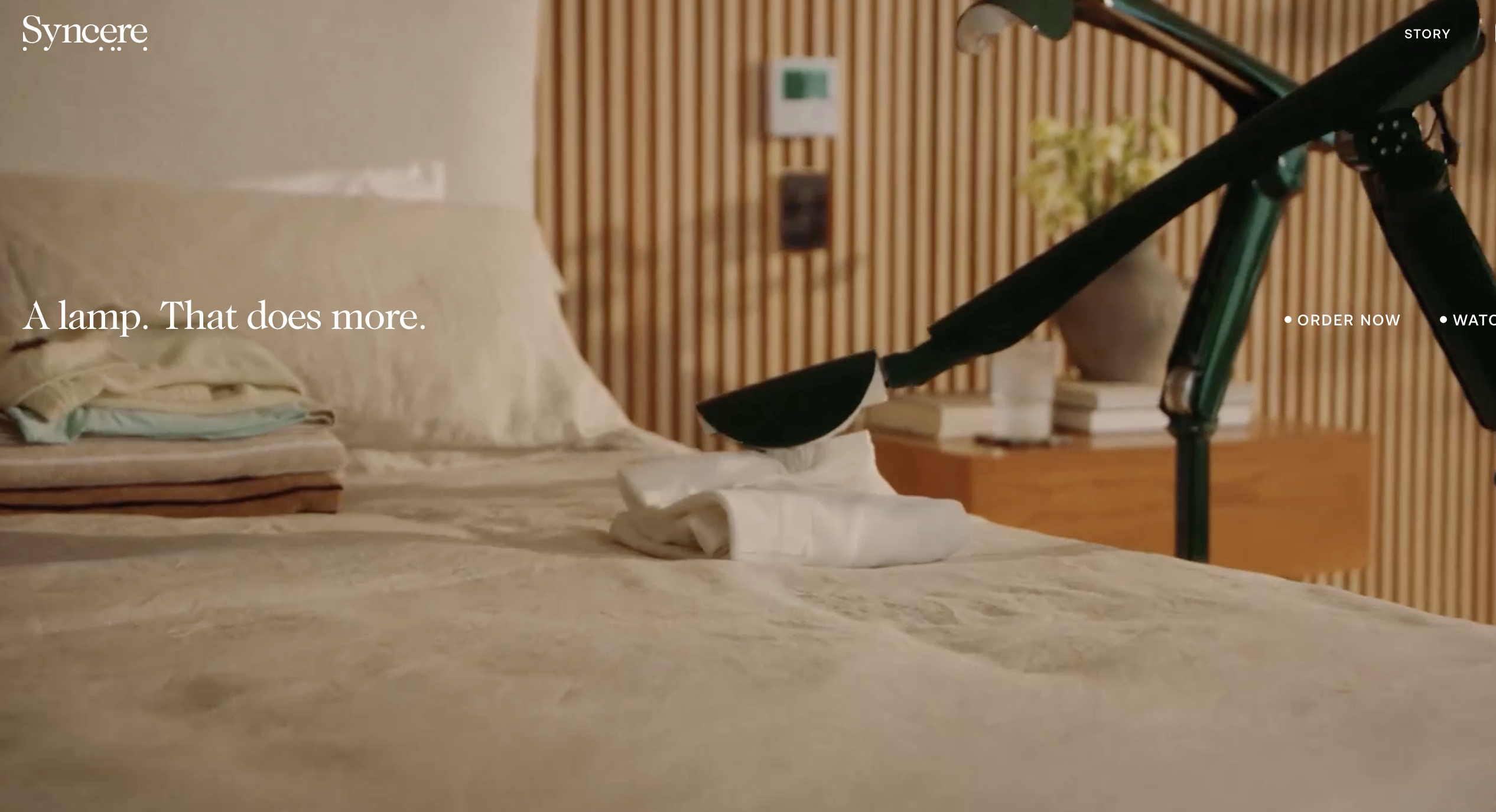
Physical AI has the potential to step into that gap.
Read the rest on the Cake Mix Substack
Quote text here